Sample notes
The conversation, then the draft.
Choose a fictional visit. On the left is what was said; on the right, the draft in your note order, with anything not said marked for you to add.
Limited exam · 2 min 40 s
2 items to confirmConversation
00:05 · Assistant: “Blood pressure 122 over 78, pulse 72.”
00:18 · Dentist: “Any changes to your health?” Patient: “I had wrist surgery six weeks ago. Otherwise I'm healthy.”
00:40 · Patient: “My upper left tooth hurts with cold. It started about two weeks ago.”
00:58 · Dentist: “Does it linger after the cold is gone?” Patient: “No, it goes away in a few seconds.”
01:30 · Dentist: “Number 14 has a large old amalgam with a crack line on the mesial marginal ridge. Cold is sharp and doesn't linger. Percussion is negative. Bite test is positive on the MB cusp.”
02:05 · Dentist: “No decay under the filling on the bitewing. This looks like a cracked tooth. I'd recommend a crown before the crack goes further. An onlay is another option.”
02:30 · Patient: “Let's do the crown.”
Draft in your format
Vitals: BP 122/78 · HR 72
Medical status: Wrist surgery about 6 weeks ago. Otherwise healthy.
Chief complaint: Cold sensitivity, upper left, about 2 weeks. Resolves within seconds.
Findings: #14: large existing amalgam, crack line on the mesial marginal ridge. Cold: sharp, non-lingering. Percussion: negative. Bite test: positive, MB cusp. Probing: not captured. Assessment: cracked tooth #14, as stated by the dentist.
Radiographs: Bitewing reviewed, no recurrent decay noted. Date: not captured
Plan: Crown on #14 recommended. Onlay discussed as an alternative. Patient chose the crown. Schedule crown prep.
Procedure: Limited exam with cold, percussion and bite tests. No treatment today.
The assistant supports the note. You remain responsible for what it says.
What to look for
Read it the way you would review it.
Your order.
Vitals, medical status, chief complaint, findings, radiographs, plan and procedure. Each draft follows the order you chart in.
What was said.
Each line of the draft comes from the conversation. Findings and diagnoses appear as the dentist stated them.
What was not.
Probing, a TMJ exam, the crown material: anything not said is marked not captured, for you to add.
Capture
Close to the conversation.
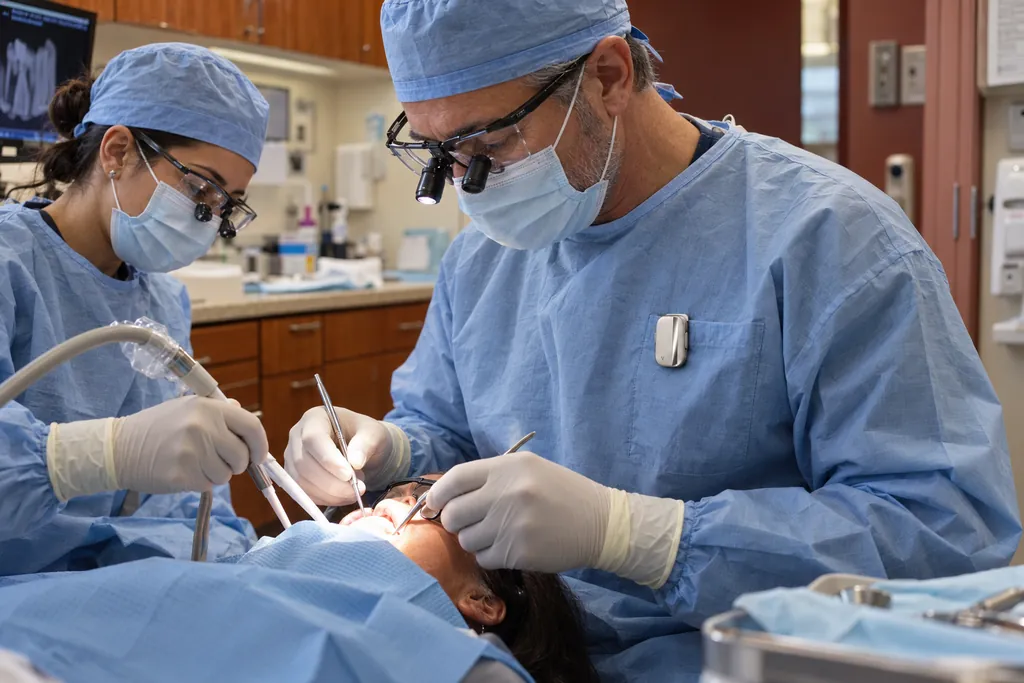
The proposed first path is your phone, close to the speaker. The Vault necklace may make placement more convenient: clipped to a gown pocket, as here, or worn on a chain.
$249 · No payment today. FCC details
Questions
Does Vault write my final note?
Vault is being built to prepare a draft from recorded and clinician-added information. You check the source, add missing details, edit the draft and decide what becomes the final clinical note.
Does Vault file notes into my practice software?
Direct filing integrations are not promised here. The proposed initial workflow is to review the draft, then copy or export it into your practice software through the practice-approved process.
Will it work around suction, drills and other voices?
Clear audio matters. A microphone close to the dentist may help, but distance, masks, equipment noise and overlapping voices can affect capture. Operatory performance is being tested; Vault does not promise perfect transcription.
How is patient information handled?
The full answer lives on Privacy and trust.
Want drafts like this, in your own format?
Join early access and tell us how you chart. No necklace needed to join.